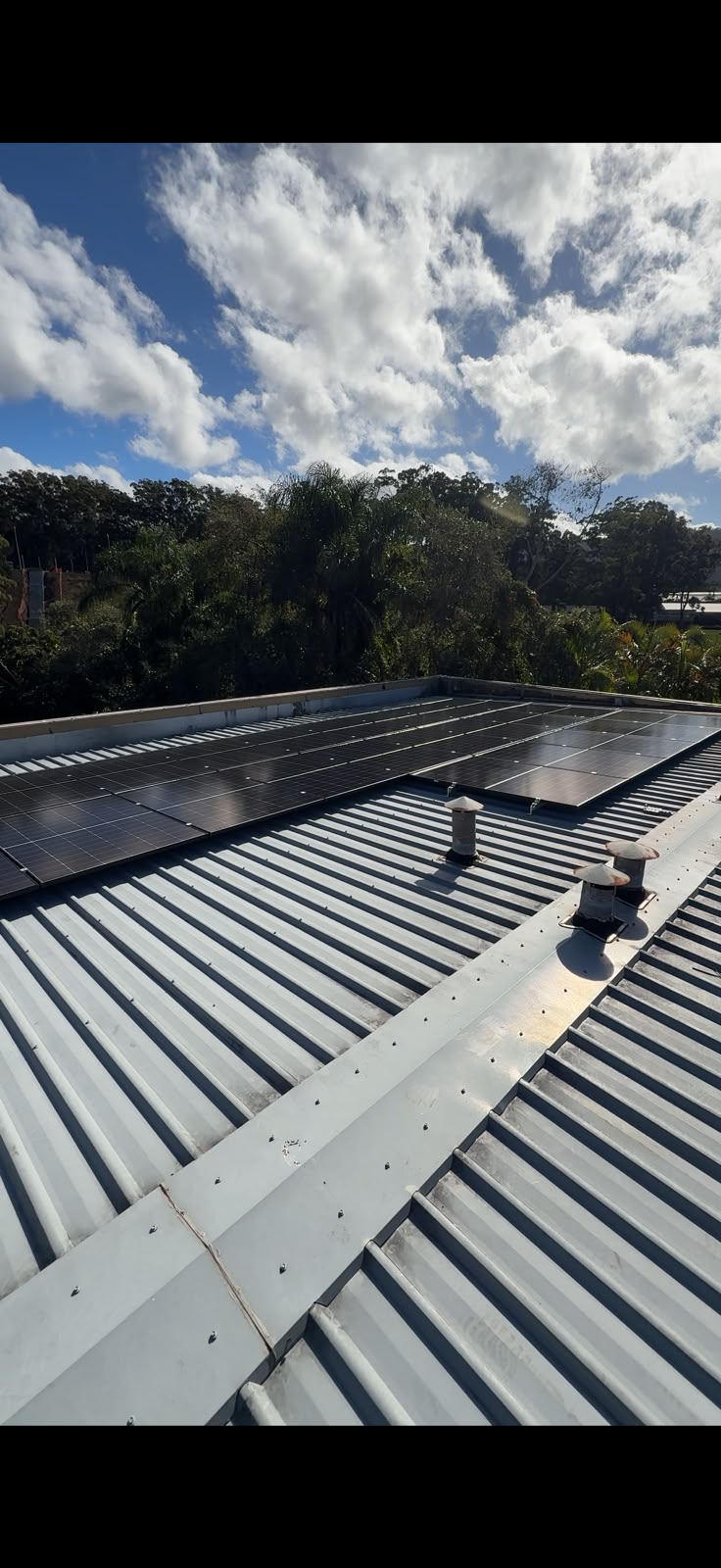
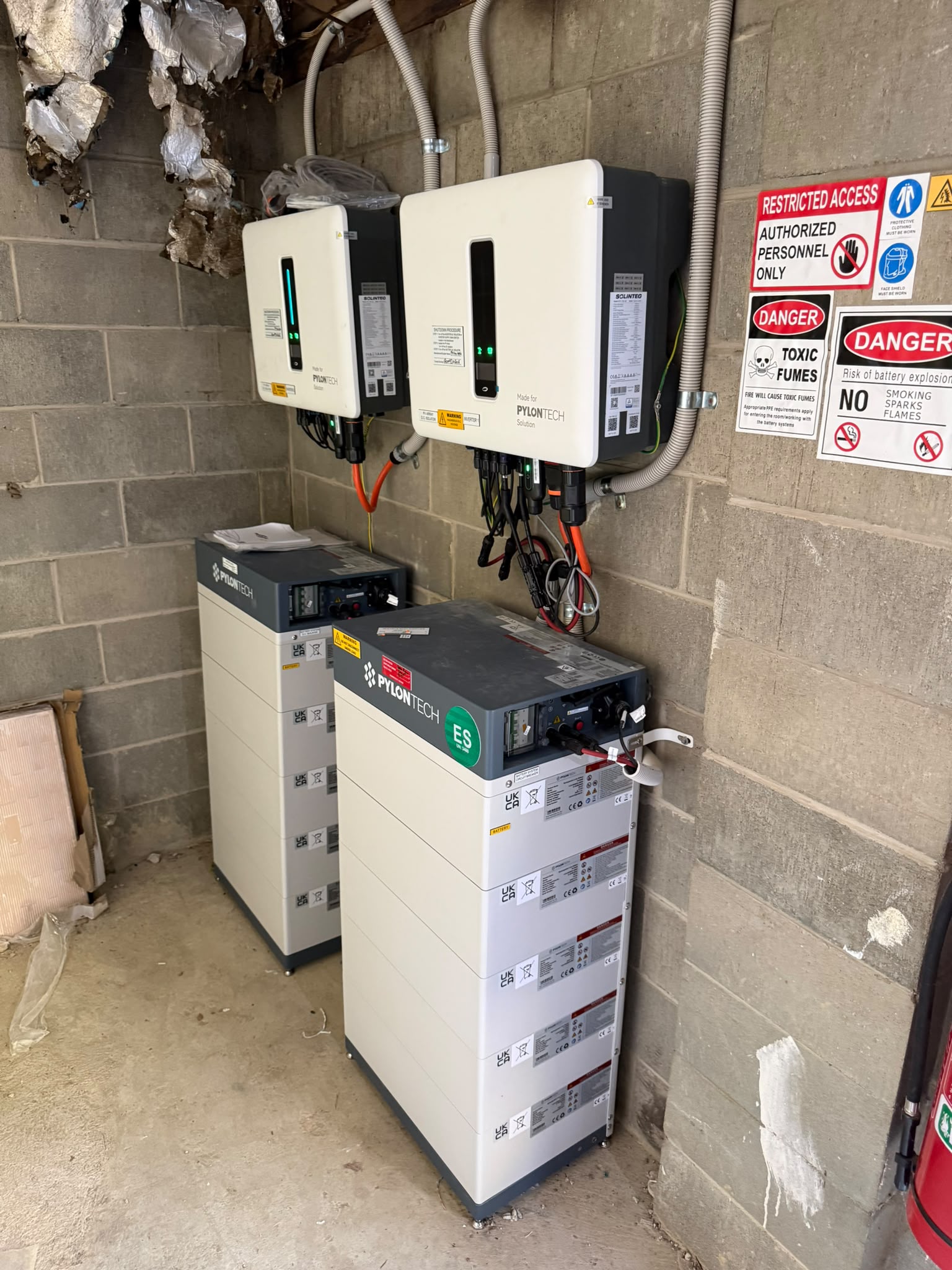
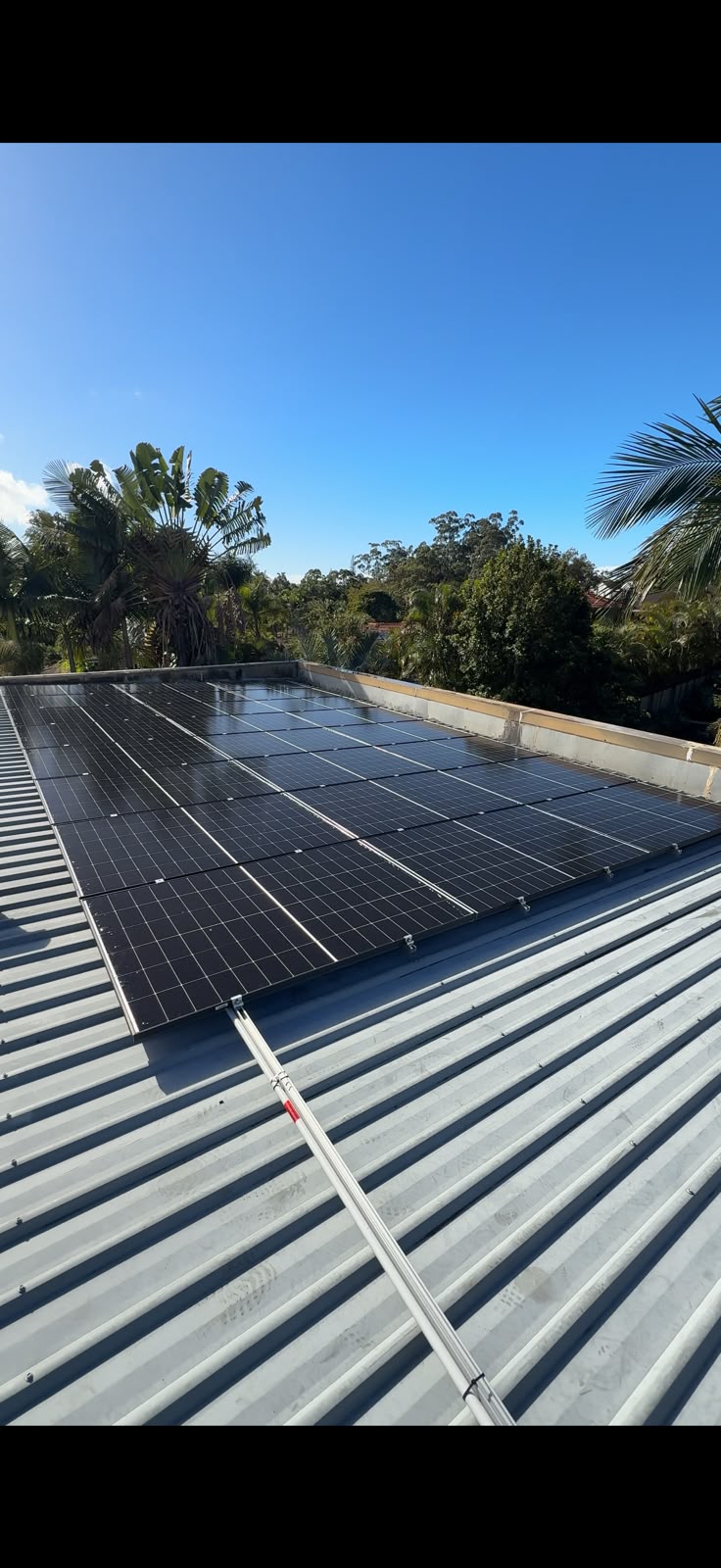
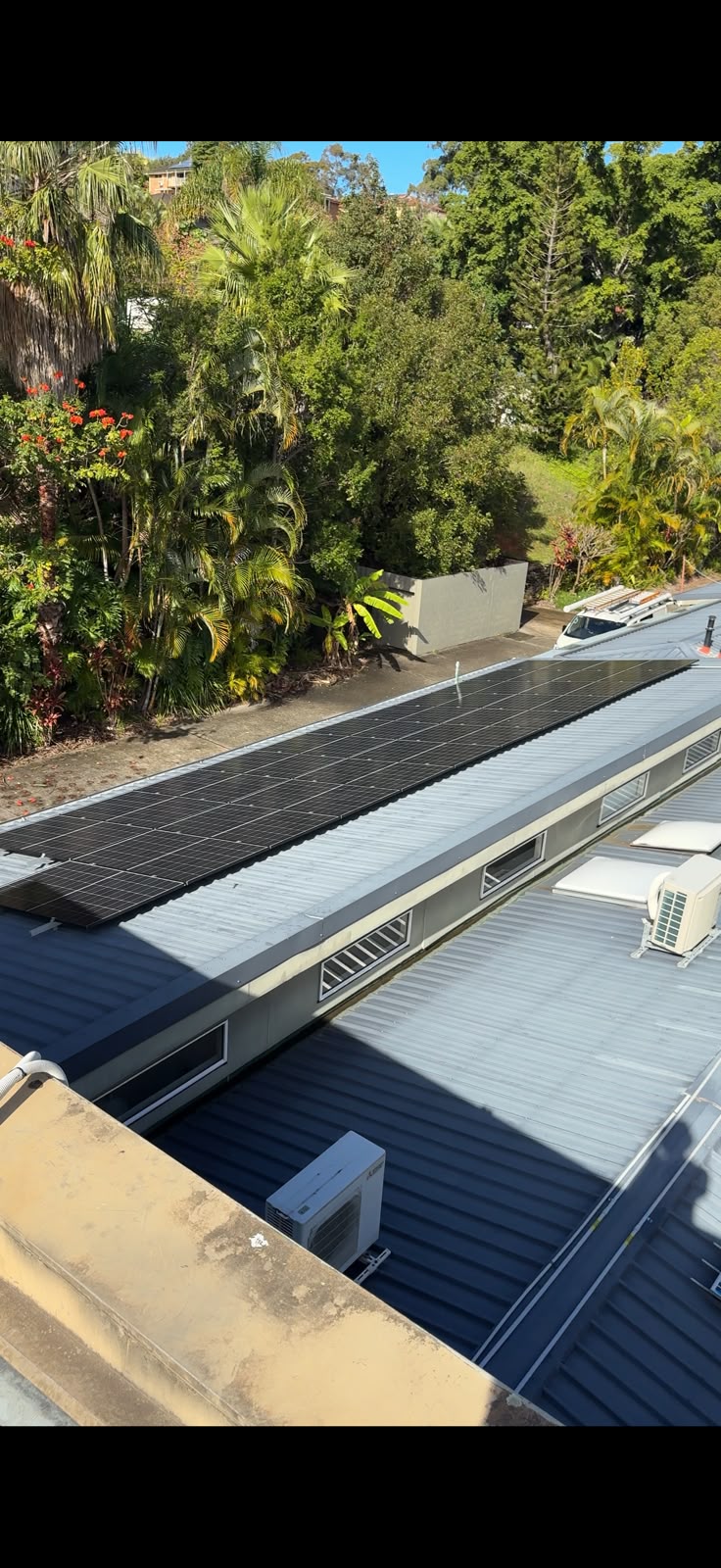
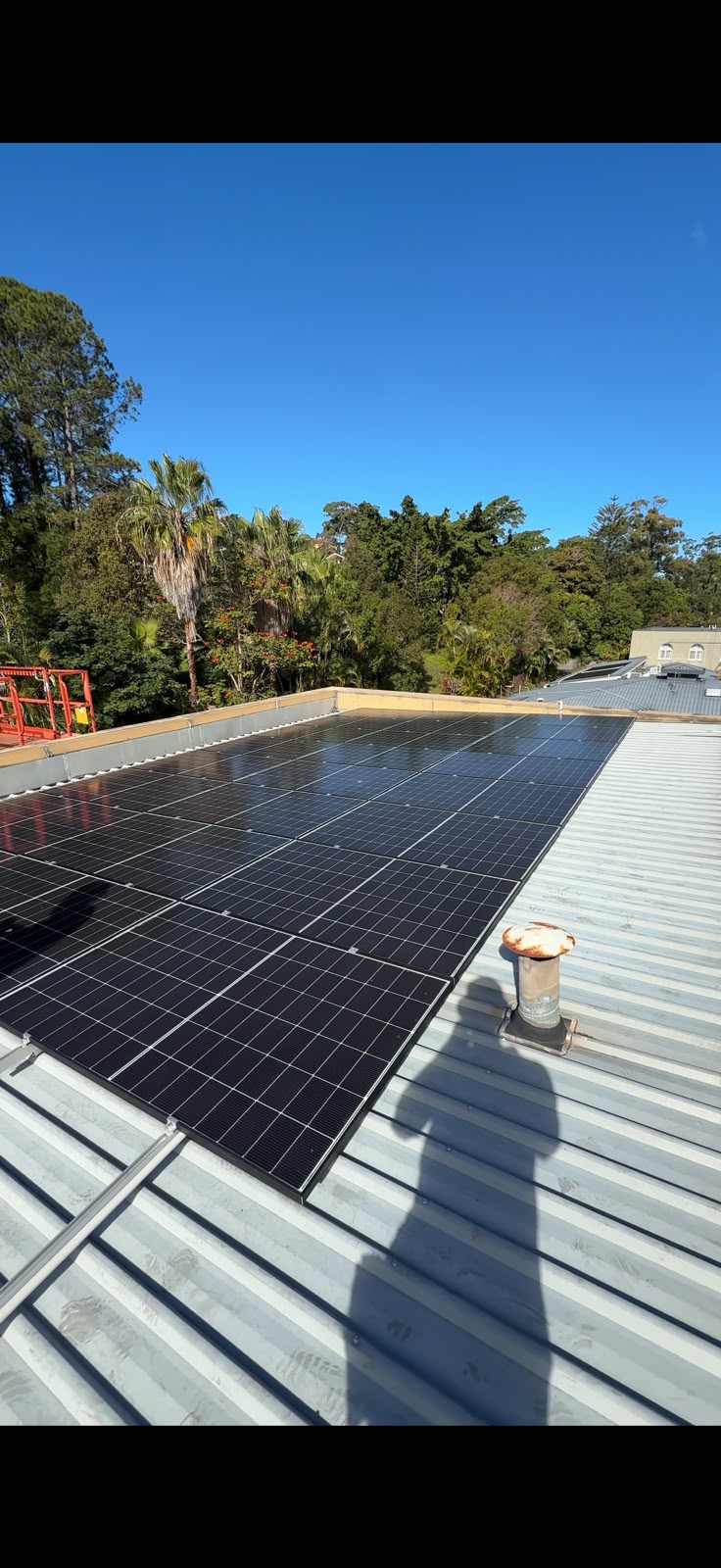
Offices, retail, warehouses, and industrial facilities consume high daytime power. We engineer high-yield commercial solar setups tailored to your operating hours, load profiles, and ROI goals.

Businesses have fundamentally different energy requirements compared to residential homes. An office needs continuous daytime power for servers, computing, and ducted climate control; retail requires constant refrigeration and lighting; warehouses and factories run high-draw three-phase machinery.
At Nationwide Solar Pty Ltd, we manage the complete commercial journey — from initial interval data audits and roof feasibility studies to engineering, CEC-certified installation, and commercial performance monitoring.
Different commercial facilities require unique system architectures to safely integrate with existing electrical networks and operational workflows.
Directly match 9-to-5 peak electricity consumption from computers, lighting, server rooms, and HVAC systems.
Offset high continuous loads from shopfront lighting, cold display refrigeration, and constant customer air conditioning.
Capitalise on extensive unshaded rooftop surfaces to generate significant solar output and power material handling fleets.
Engineered heavy-duty systems designed for manufacturing facilities operating heavy motors, pumps, and high-draw equipment.
Rather than placing generic panel packages, Nationwide Solar assesses key technical and operational parameters to maximise your commercial ROI.
Interval meter data and seasonal usage pattern analysis.
Aligning solar production hours with actual working shifts.
Targeting demand charge reduction to cut monthly tariff penalties.
Usable rooftop structural audit and panel placement zones.
Optimising azimuth angles for continuous all-day generation.
Factoring in HVAC units, vents, parapets, and surrounding shade.
Reviewing main switchboard capacity, transformers, and grid approval.
Sizing inverters to accommodate new machinery and building additions.
Feasibility for overnight load shifting and backup reliability.
Integrating infrastructure for staff, client, and delivery vehicle fleets.
We understand that uninterrupted commercial operations are vital. Offices must support employees, warehouses have tight delivery schedules, and retail venues serve customers throughout the day.
Where practical, our installation team plans access, heavy crane operations, and electrical tie-ins around your quietest operating windows and weekends.
Even if your enterprise is not installing batteries or electric vehicle fleets immediately, choosing a forward-thinking commercial solar architecture protects your investment.
We design modular systems that allow painless future integration of battery energy storage systems (BESS) and high-speed DC/AC EV fleet chargers without requiring complete rewiring.
Clear answers to common technical and operational questions about commercial solar power in Australia.
Commercial solar refers to solar power systems designed specifically for businesses and commercial properties. These systems are planned around factors such as business electricity usage, operating hours, roof space and future energy requirements.
Commercial solar may be suitable for offices, retail stores, warehouses, workshops, factories, industrial facilities and many other business properties. The property should be assessed to determine whether solar is suitable.
Businesses generally have different electricity consumption patterns compared to homes. Commercial properties may also have larger roof areas, higher daytime electricity usage and more complex electrical requirements.
We consider electricity consumption, operating hours, available roof space, shading, property conditions and future electricity requirements before recommending an appropriate system.
A commercial solar system can help reduce the amount of grid electricity a business needs to purchase when solar generation is being used on-site. Actual savings depend on the system, electricity usage and tariffs.
Many warehouses have large roof areas that can potentially be suitable for solar panels. Roof condition, orientation, shading, electricity demand and other site factors should be assessed before installation.
Yes. Office buildings can be suitable for commercial solar, particularly where there is significant daytime electricity consumption from lighting, computers, air conditioning and other equipment.
Commercial installations require careful planning. Nationwide Solar works with customers to schedule installation activities around business requirements where practical, helping reduce unnecessary disruption.
Depending on the solar system and equipment installed, future battery storage may be possible. If battery storage is part of your future plans, it is useful to discuss this during the initial system design stage.
Yes. Future EV charging requirements can be considered during the planning process so expected additional electricity demand can be taken into account.
Many modern solar systems provide monitoring functionality. Available monitoring options depend on the equipment and system configuration.
Useful information can include recent electricity bills, business operating hours, property details, roof information and any future plans that could increase electricity demand.
Installation time depends on the system size, building type, roof layout, access conditions and project complexity. A more accurate timeframe can be provided after the property has been assessed.
Yes. Nationwide Solar provides after-installation assistance and ongoing system guidance to help businesses understand and manage their solar system.
Nationwide Solar Pty Ltd brings more than 10 years of solar industry experience and manages the complete solar journey, including assessment, system planning, custom design, professional installation and after-sales support. Our approach focuses on developing solar solutions around the specific energy requirements of each Australian business.